
If you’ve ever tried to access a website only to find it blocked — or wondered how some people seem to browse without leaving a trace — you’ve probably come across the term proxy server. But what exactly is a proxy server, and what does it do? In this guide, we’ll break it down in plain English so you can understand how proxies work, why people use them, and whether one might be useful for you.
What Is a Proxy Server?
A proxy server is essentially a middleman between your device and the internet. When you browse the web normally, your computer connects directly to a website’s server, and that website can see your real IP address — a unique number that identifies your device and location. A proxy server sits between you and that website, making the request on your behalf. The website sees the proxy’s IP address instead of yours.
Think of it like sending a letter through a friend. The recipient sees your friend’s return address, not your home address. The content of the letter is the same, but your identity is partially hidden.
What Does a Proxy Server Do?
Proxy servers perform several useful functions depending on how they’re set up:
- Hide your IP address: By masking your real IP, a proxy makes it harder for websites and trackers to identify your exact location.
- Bypass geo-restrictions: If a website or service is blocked in your country, routing your traffic through a proxy located elsewhere can sometimes grant you access.
- Filter content: Businesses and schools often use proxy servers to block access to certain websites for employees or students.
- Cache web pages: Proxies can store copies of frequently visited pages, speeding up load times and reducing bandwidth usage.
- Improve privacy: By acting as a buffer, proxies can reduce the amount of personal data your device sends directly to websites.
Types of Proxy Servers
Not all proxies are the same. Here are the most common types you’ll encounter:
HTTP Proxies — These handle standard web traffic (websites). They’re the most basic type and are widely available, including on our free proxy list.
HTTPS Proxies (SSL Proxies) — Similar to HTTP proxies, but they also handle encrypted traffic, making them more secure for sensitive browsing.
SOCKS5 Proxies — More versatile than HTTP proxies, SOCKS5 proxies can handle any type of internet traffic — not just web browsing. They’re popular for streaming, gaming, and torrenting.
Transparent Proxies — These don’t hide that you’re using a proxy and are typically deployed by organisations for content filtering or caching rather than privacy.
Anonymous Proxies — These hide your IP address from the destination website, offering a basic level of privacy.
Proxy Servers vs. VPNs: What’s the Difference?
Proxies and VPNs are often confused because they both hide your IP address, but there are key differences. A VPN encrypts all of your internet traffic at the device level, while a proxy typically only reroutes specific application traffic (like your browser) and usually doesn’t encrypt the data. This means a VPN provides stronger, more comprehensive privacy protection.
For example, if you’re managing an IPTV setup and need reliable, encrypted access, a VPN is generally the better choice. You can read our guide on the best VPN for IPTV to see which services work well for streaming. If you want a trusted option with a no-risk trial, NordVPN (try it free for 30 days) is one of the most popular and feature-rich choices available.
When Should You Use a Proxy Server?
A proxy server is a practical choice when you want to:
- Access region-locked content quickly without setting up a full VPN.
- Perform web scraping or automated tasks that require rotating IP addresses.
- Test how a website appears from a different geographic location.
- Use a lightweight solution for basic IP masking on a specific app or browser.
However, keep in mind that free proxies can be unreliable, slow, or even malicious. Always use proxies from trusted sources, and be cautious about entering passwords or sensitive information while connected to one.
Are Proxy Servers Legal?
In most countries, using a proxy server is completely legal. They’re widely used by businesses, schools, and individuals for legitimate purposes. That said, using a proxy to access content that violates a service’s terms of use — or to engage in illegal activity — is a different matter entirely. Always make sure your use of a proxy is lawful and ethical in your region.
Conclusion
A proxy server is a simple but powerful tool that acts as an intermediary between your device and the internet. Whether you’re looking to protect your privacy, bypass geographic restrictions, or manage network traffic, proxies offer a flexible solution. If you’re exploring tools like these in the context of IPTV or streaming, it’s also worth learning what is an M3U file and how playlist management works — it all ties together when building a smooth streaming setup. For stronger security and full traffic encryption, a VPN remains the gold standard, but proxies are a valuable tool to have in your kit.
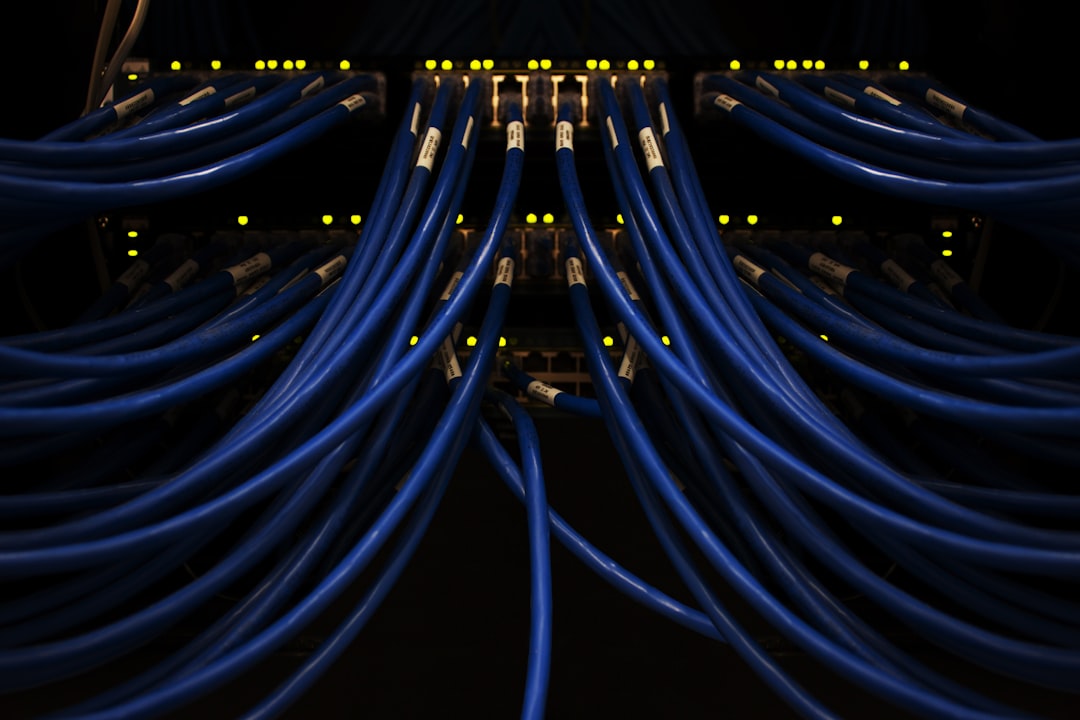
Photo by Scott Rodgerson on Unsplash