
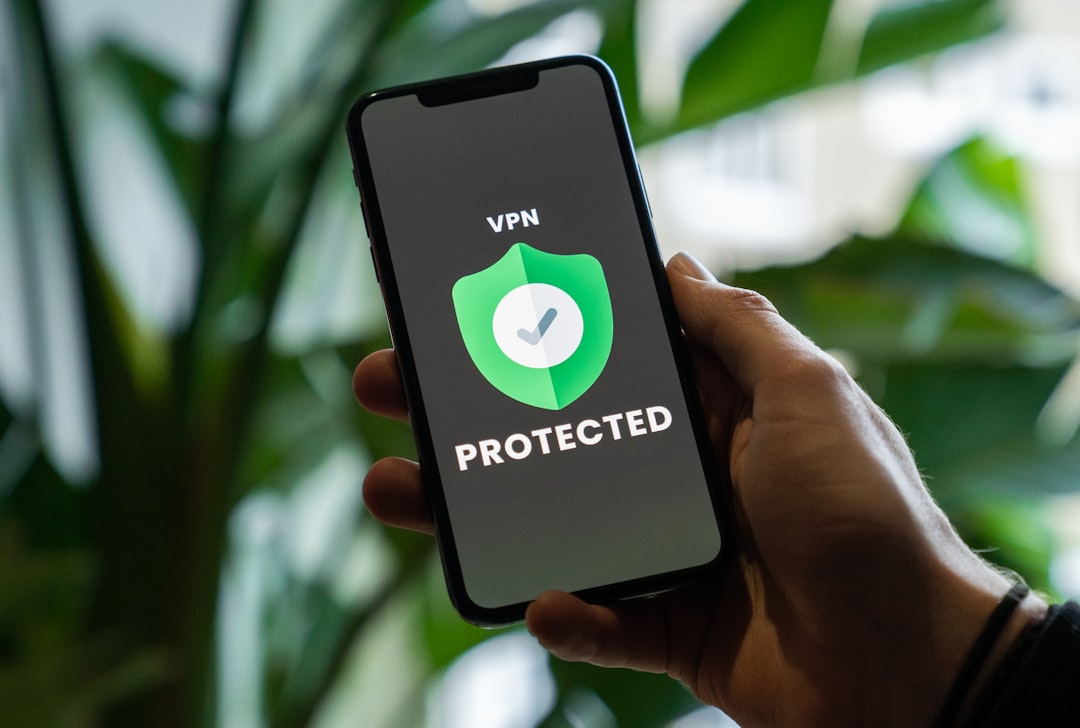
If you’ve ever tried to unblock a website, stream geo-restricted content, or just protect your privacy online, you’ve probably come across two options: proxy servers and VPNs. They both hide your real IP address — but that’s roughly where the similarities end. Understanding the difference could save you from a false sense of security or choosing the wrong tool for the job.
What Is a Proxy Server?
A proxy server acts as a middleman between your device and the internet. When you send a request — say, to visit a website — it goes through the proxy first. The website sees the proxy’s IP address, not yours. That’s useful for bypassing basic geographic restrictions or scraping the web without exposing your real IP.
However, proxies have real limitations. Most only route traffic from a specific app or browser tab, not your entire device. They don’t encrypt your data, which means your internet provider, network admin, or anyone on the same Wi-Fi can still see what you’re doing. If you’re using a free proxy list, there’s also no guarantee the proxy operator isn’t logging your activity or injecting ads into pages you visit.
Proxies are best suited for lightweight tasks: changing your apparent location for a quick check, automating web scraping, or accessing content that’s only loosely restricted. For anything sensitive, they fall short.
What Is a VPN?
A VPN (Virtual Private Network) does more than mask your IP — it wraps your entire internet connection in an encrypted tunnel. All traffic from your device, across every app, passes through the VPN server before reaching the internet. No one between you and the VPN — not your ISP, not your router, not anyone on public Wi-Fi — can read what you’re sending or receiving.
VPNs are the go-to choice for privacy-conscious users, remote workers, and anyone streaming IPTV content from services that vary by region. If you’re managing an IPTV setup, you’ve likely already seen recommendations around using a best VPN for IPTV to avoid throttling and keep streams running smoothly.
The trade-off is speed — encryption adds overhead. That said, modern VPN protocols like WireGuard have made the gap much smaller. A well-chosen VPN barely affects browsing speeds in practice.
Proxy vs VPN: Side-by-Side Comparison
Here’s a quick breakdown of the key differences:
- Encryption: VPNs encrypt all traffic. Proxies don’t.
- Coverage: VPNs protect your whole device. Proxies only cover the app or browser configured to use them.
- Speed: Proxies are generally faster because there’s no encryption layer. VPNs are close behind with modern protocols.
- Privacy: VPNs offer much stronger anonymity. Free proxies can actually be a privacy risk.
- Cost: Free proxies are widely available. Quality VPNs usually require a subscription, though many offer trials.
- Use case: Proxies work for simple IP masking. VPNs are the right tool when security and privacy matter.
When Should You Use a Proxy?
Proxies make sense when speed matters more than security and the task is low-stakes. Web developers testing geo-targeted content, marketers running automated checks, or users doing quick region-bypass tasks often reach for a proxy first. Just don’t rely on one for anything involving personal data, passwords, or financial information.
When Should You Use a VPN?
Use a VPN whenever privacy or security is part of the picture. Streaming geo-restricted services, using public Wi-Fi, avoiding ISP throttling, or keeping your browsing history private — these all call for a VPN. For IPTV users managing M3U playlists, a VPN also helps prevent your provider from blocking streams based on traffic patterns. You can even use our M3U playlist checker to verify your streams are working once you’re connected.
If you want a reliable starting point, NordVPN (try it free for 30 days) is one of the most consistently fast and privacy-focused options available, with servers in 60+ countries and a no-logs policy that’s been independently audited.
So Which One Do You Actually Need?
For most people, the answer is a VPN. Proxies serve a purpose, but they’re a blunt tool with real gaps in protection. A VPN covers more ground, keeps your data encrypted, and works across every app on your device — not just the one you remembered to configure.
That said, the two aren’t always competing options. Power users sometimes combine them — running a VPN for general security while using a proxy for specific scraping or automation tasks. Know what you need, match the tool to the job, and you’ll stay both efficient and protected.
Photo by Privecstasy on Unsplash