
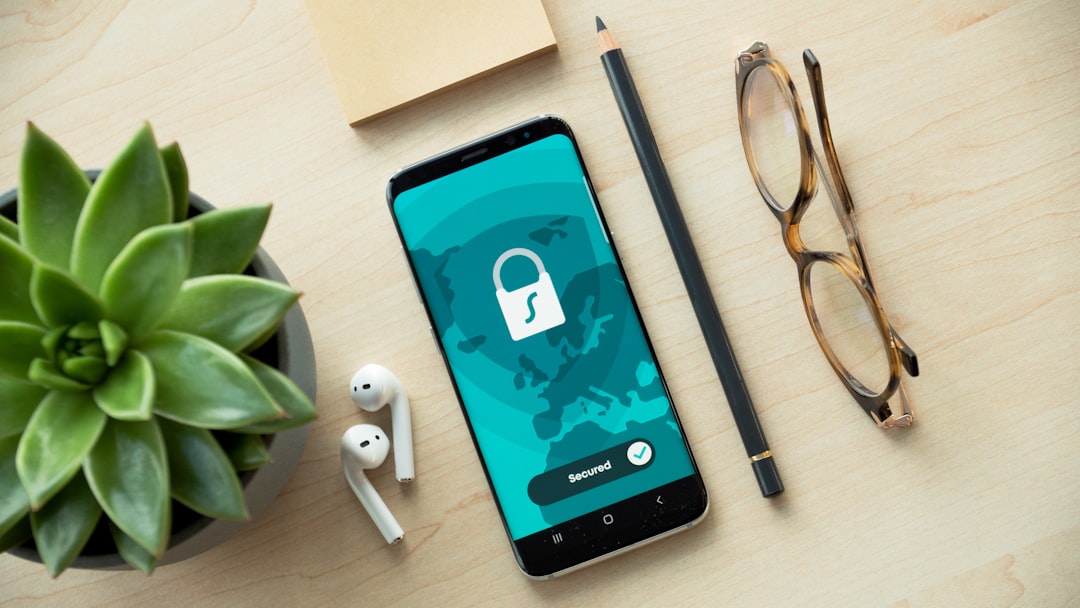
You’ve probably seen ads for VPNs everywhere — on YouTube, podcasts, even TV. But if you’ve ever wondered what a VPN actually does and whether it’s genuinely safe to use, you’re not alone. The marketing can be confusing, and the technical side sounds more complicated than it really is. This guide breaks it all down in plain English.
What Is a VPN?
VPN stands for Virtual Private Network. At its core, a VPN creates an encrypted tunnel between your device and the internet. Instead of your internet traffic going directly from your laptop or phone to whatever website you’re visiting, it first passes through a secure server operated by the VPN provider.
That means two things happen at once:
- Your IP address is hidden. Websites and apps see the VPN server’s IP address, not yours.
- Your traffic is encrypted. Anyone snooping on your connection — like a hacker on public Wi-Fi or your internet service provider — sees scrambled data they can’t read.
Think of it like sending a letter inside a locked box, through a trusted middleman. The recipient gets the letter, but nobody along the way can read what’s inside.
What Does a VPN Actually Protect You From?
A VPN is genuinely useful in several real-world situations:
- Public Wi-Fi risks: Coffee shops, airports, hotels — these networks are often unsecured. A VPN stops attackers from intercepting your passwords or banking details.
- ISP tracking: Your internet provider can see every site you visit and may sell that data to advertisers. A VPN blocks that visibility.
- Geo-restrictions: A VPN lets you connect through a server in another country, which is why people use them to access streaming content or IPTV services that aren’t available in their region. If you’re managing IPTV playlists, pairing a VPN with a reliable M3U playlist checker can make a big difference in stability.
- Government surveillance: In countries with heavy internet censorship, a VPN can be essential for accessing the open web.
What a VPN doesn’t do: it won’t protect you from malware, phishing attacks, or websites tracking you through cookies. It’s one layer of protection, not a complete security solution.
Is a VPN Safe to Use?
This is where it gets important. A VPN is only as safe as the company running it. A poorly built or dishonest VPN can actually make your privacy worse — logging your activity, injecting ads, or leaking your real IP address.
Here’s what to look for in a trustworthy VPN:
- No-logs policy: The provider should not store records of what you do online. Look for providers that have had this independently audited.
- Strong encryption: AES-256 encryption is the current gold standard.
- DNS leak protection: Without this, your real location can slip through even when the VPN is on.
- Jurisdiction: VPNs based in countries with strong privacy laws are generally more trustworthy.
- Transparent ownership: Avoid VPNs with unknown or shady parent companies, especially free ones with no clear business model.
Free VPNs are the biggest red flag. If you’re not paying for the product, your data often is the product. Many free VPNs have been caught selling user data or injecting tracking cookies.
Are VPNs Legal?
In most countries — including the US and UK — using a VPN is completely legal. You’re simply encrypting your own internet traffic. That said, what you do with a VPN is still subject to the law. A VPN doesn’t make illegal activity legal.
For everyday users who want privacy, better streaming access, or safer browsing on public networks, a VPN is a perfectly legitimate tool. Many businesses actually require employees to use VPNs to access company systems remotely.
Which VPN Should You Use?
If you want a reliable, well-audited option that works across streaming, IPTV, and general browsing, NordVPN (try it free for 30 days) is one of the most trusted names in the space. It has a verified no-logs policy, strong encryption, servers in 60+ countries, and apps for every major device. The 30-day money-back guarantee means you can test it properly before committing.
If you’re using a VPN alongside IPTV tools, it’s worth checking our guide to the best VPN for IPTV to see which providers handle streaming traffic best.
Should You Start Using a VPN?
If you regularly use public Wi-Fi, care about your browsing privacy, or want more flexibility with streaming and IPTV content, yes — a good VPN is worth it. The key word is good. Stick to paid, reputable providers with audited no-logs policies, and you’ll get genuine protection without trading your data to a new set of hands. It’s a small monthly cost for a meaningful improvement to your everyday online security.
Photo by Dan Nelson on Unsplash